
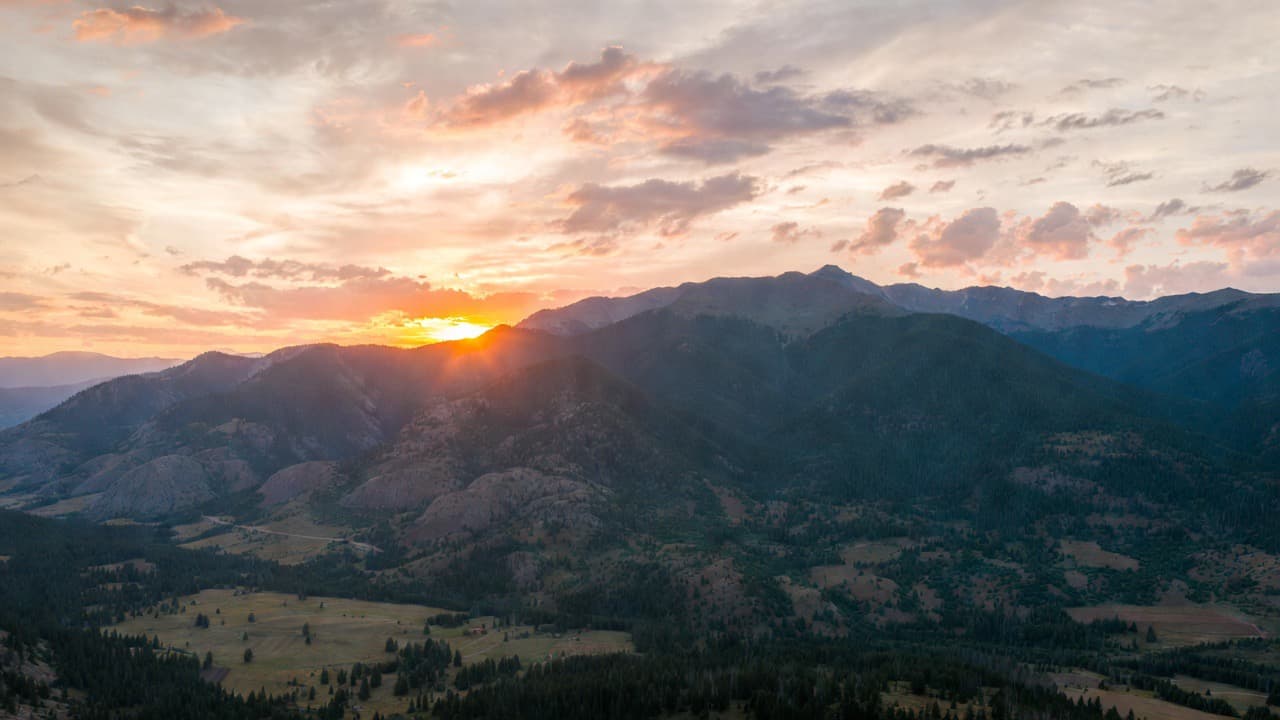
What Is the Summer Solstice?
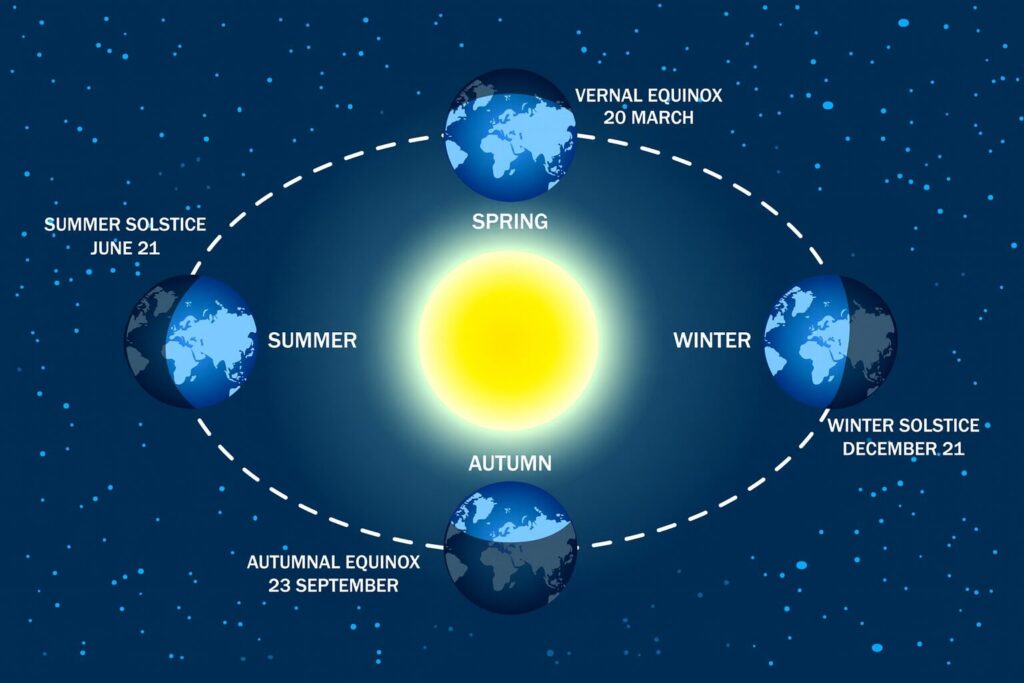
The Summer Solstice is the exact moment the Northern Hemisphere tilts closest to the Sun, creating the longest day and shortest night of the year. This astronomical event marks the official start of astronomical summer, and it happens at one precise instant worldwide—even though the local date and time vary by time zone.
When Is the Summer Solstice in 2027?
The Summer Solstice occurs on June 21, 2027 at 14:10 UTC.
Here’s what that moment looks like across U.S. time zones:
| City | Time | Date |
|---|---|---|
| New York, NY | 10:10 AM | June 21 |
| Chicago, IL | 9:10 AM | June 21 |
| Denver, CO | 8:10 AM | June 21 |
| Los Angeles, CA | 7:10 AM | June 21 |
| Anchorage, AK | 6:10 AM | June 21 |
| Honolulu, HI | 4:10 AM | June 21 |
Why the Summer Solstice Happens?
Earth’s axis is tilted about 23.5 degrees. As our planet orbits the Sun, this tilt causes the Sun’s path to shift higher or lower in the sky throughout the year.
The Summer Solstice is the moment the Northern Hemisphere is tilted most directly toward the Sun, resulting in:
- the highest Sun angle of the year
- the longest stretch of daylight
- the official start of astronomical summer
After the solstice, daylight slowly begins to shorten again.
Summer Solstice vs. First Day of Summer
These two terms are often used interchangeably—and for good reason.
The Summer Solstice is the first day of astronomical summer.
However, meteorologists use a different system.
Meteorological summer always begins on June 1, based on annual temperature patterns rather than astronomy.
If you want the full breakdown of dates and times, see:
👉 When Is the First Day of Summer 2027
Does the Summer Solstice Always Fall on the Same Date?
Not exactly.
The solstice can occur on June 20, 21, or 22, depending on:
- Leap Years
- Earth’s orbital speed
- time zone differences
- long‑term orbital variations
In the United States, the solstice most commonly falls on June 20 or 21.
How the Summer Solstice Affects Daylight
The solstice brings dramatic daylight differences depending on latitude:
- Northern states enjoy extremely long days and extended twilight.
- Southern states see long days, but with less dramatic variation.
- Alaska experiences “Midnight Sun” conditions, with daylight lasting nearly 24 hours.
This is why Anchorage sees the solstice at 12:25 AM, while Honolulu experiences it at 10:25 PM the night before.
Summer Solstice Traditions Around the World
For thousands of years, cultures have celebrated the solstice as a symbol of:
- sunlight
- renewal
- seasonal change
- community
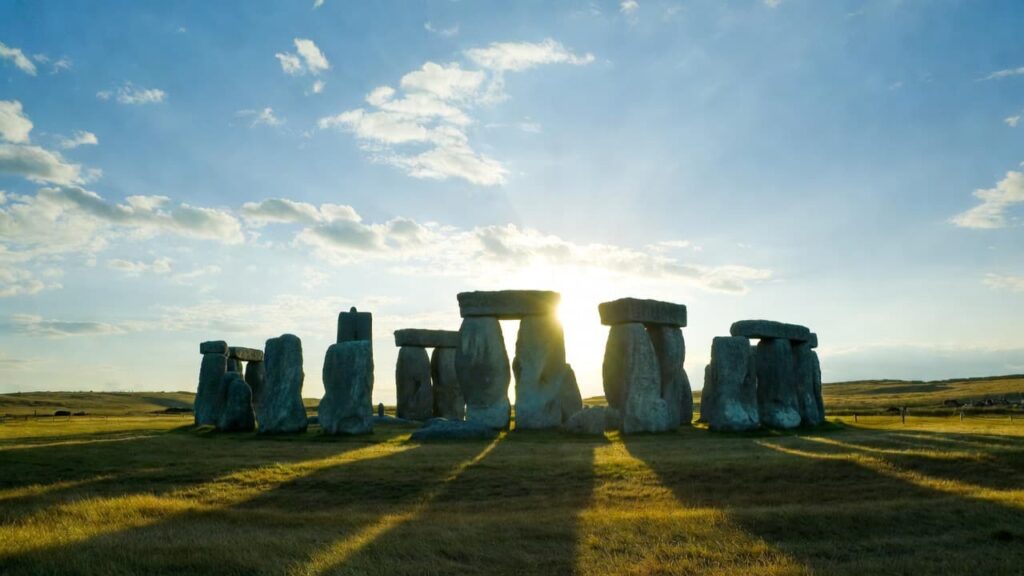
Some well‑known traditions include:
- Stonehenge sunrise gatherings
- Scandinavian Midsummer festivals
- European bonfires and feasts
- Hawaiian celebrations honoring the Sun and seasons
These traditions reflect humanity’s deep connection to the Sun’s annual cycle.
Why the Summer Solstice Still Matters Today
Even in the modern world, the solstice remains a meaningful seasonal milestone. It marks:
- the start of summer vacations
- the beginning of peak daylight
- the transition into the warmest months of the year
- a natural moment to reset and enjoy the season
For many people, it’s a reminder to slow down, get outside, and soak in the sunlight.



Frequently Asked Questions
Is the Summer Solstice the longest day of the year?
Yes. It brings the most daylight and the shortest night of the year in the Northern Hemisphere.
Does the solstice happen at the same time everywhere?
Yes. The solstice occurs at one exact global moment, but the local time varies by time zone.
Why do some cities show June 20 instead of June 21?
Yes. The solstice occurs at one exact global moment, but the local time varies by time zone.
Is the solstice the first day of summer?
Astronomically, yes. Meteorological summer begins earlier, on June 1.
Does the solstice affect sunrise and sunset times?
Yes, but not always in the way people expect. The earliest sunrise and latest sunset don’t always fall on the solstice due to Earth’s orbital speed.